Team
Valentino Nizzo
Scientific Director
University of Naples "L'Orientale"
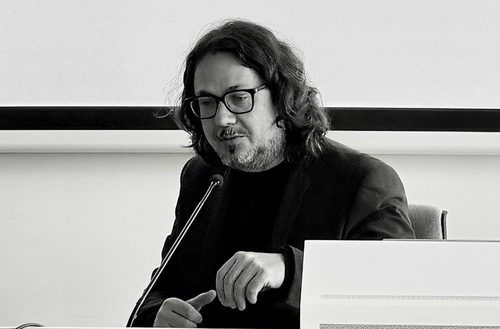
Valentino Nizzo, a native of Salento, is associate professor of Etruscology and Archaeology of pre-Roman Italy at the University of Naples "L'Orientale" and coordinator of the master's degree course in archaeology. An archaeologist without borders and a scholar of the cultures of ancient Italy, he has long worked in field research, heritage protection and enhancement. Before his university career he was an official and executive of the Italian Ministry of Culture, holding posts at the National Archaeological Museum of Ferrara and at the National Etruscan Museum of Villa Giulia, of which he was the first autonomous director. In the DiscoVereto project he directs the scientific research and coordinates the study of Vereto within the framework of Leucantica, with the aim of bringing together excavation, training and public participation.
In the past he coordinated, in the same spirit, other similar scientific initiatives and in particular the "Excavation of the Terramara di Pilastri", which became the model for the very concept of "community archaeology".
Scientific Team
Angela BoscoTopographic coordination
Angela Bosco is a tenure-track researcher (RTT) in Ancient Topography at the University of Naples L'Orientale, where she teaches "Digital Topography" on the undergraduate course and, at master's level, "Survey of Ancient Monuments" and "Cartography and GIS for Archaeology". Her research focuses on the application of digital technologies to archaeology, with particular attention to the 3D recording of architecture and finds through innovative, integrated methods. Her main research interests include the analysis of systems for acquiring, managing and sharing digital data, with a focus on the processes of formalisation and standardisation needed to guarantee the reliability and reuse of archaeological data. She was Principal Investigator of the PRIN 2022 project BIG_SMAART – BIM & GIS for Spatial and Multidimensional Archaeological Artefacts and Techniques, has collaborated for years on numerous research projects of the University of Naples L'Orientale, has taken part in many Italian and international archaeological missions, and is managing editor of the scientific journal AION Annali di Archeologia e Storia Antica and a member of the editorial board of Archeologie tra Oriente e Occidente. In the DiscoVereto project she is responsible for survey and topographic analysis, coordinating the acquisition, processing and integration of territorial and archaeological data, including through GIS.
Rosario ValentiniTopographic coordination
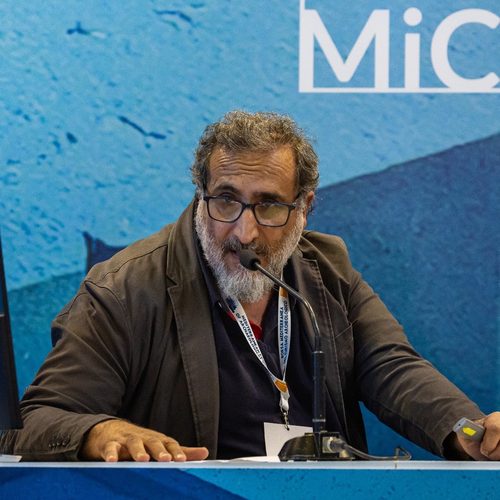
Rosario Valentini is Technical Director of the Digital Humanities section and of the University Museum System – BiMA Centre, University of Naples "L'Orientale", where he is mainly involved in topographic and photogrammetric support for archaeological missions and for the scientific initiatives of the BiMA Centre.
He has an in-depth knowledge of archaeological heritage, in particular of the sites of the Near and Middle East.
He began his career in 1999, collaborating on numerous archaeological projects in Italy (training and excavation), Turkey (survey), Yemen (excavation, survey and restoration), Saudi Arabia (survey and topographic recording), Uzbekistan (topographic recording) and Oman (excavation, photogrammetric and topographic recording).
He is the author and co-author of several scientific papers.
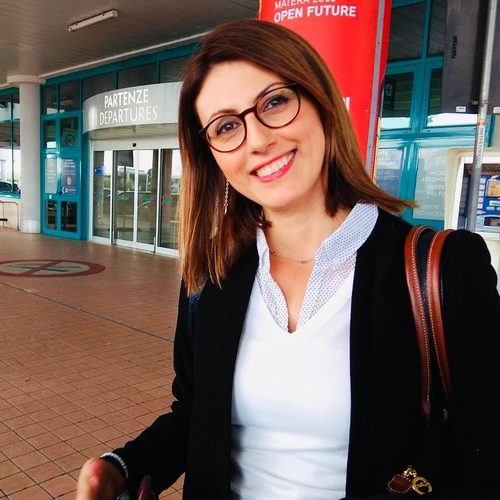
Daniela VentrelliArchaeologist, Puglia Culture
Daniela Ventrelli, born in Bari and Parisian by adoption, is Coordinator of the AltApulia Museum Network (Puglia Culture), which brings together more than 60 non-state museums in the provinces of Barletta-Andria-Trani and Foggia. An archaeologist specialising in Magna Graecia, an expert in terracotta figurines and protohistoric geometric pottery, with a PhD in Greek Epigraphy, from 2011 to 2019 she worked in Paris, first as a post-doctoral researcher in archaeology at UMR 8210 ANHIMA, then as a researcher at CNRS Délégation Paris 1. In France she conceived the international project Rubi antiqua, bringing together scholars, universities and public bodies of many nationalities to reconstruct the collecting of antiquities from Ruvo di Puglia across Europe in the early nineteenth century. An expert in museum enhancement and in the 'human' history of museums and collections, a former collaborator of the Louvre, the Museum of Lyon and the University of Fribourg in Switzerland, she also covers museum and archaeological news as a journalist for Il Giornale dell'Arte. Co-creator of LEUCANTICA, she will bring to the project her everyday experience of 'community archaeology' to bring scholars and the local community together on several fronts: from the scientific study of themes linked to the history of the Capo di Leuca, to outreach through conferences, exhibitions and public events.
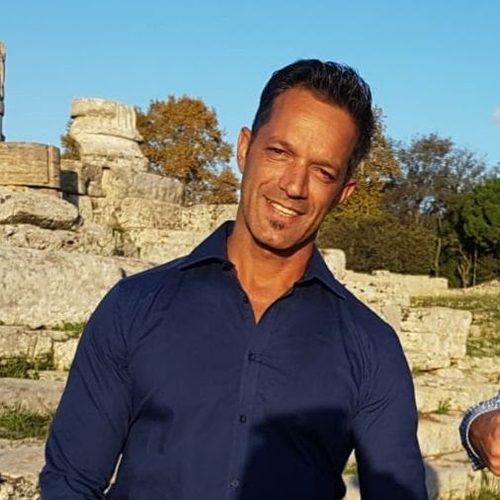
Alessandro RizzoArchaeologist
He graduated in 2004 with a thesis entitled "Remote Sensing Methods and Geographic Information Systems (GIS) in Archaeology" and specialised in classical archaeology with a thesis entitled "Contribution to the drafting of an Archaeological Map of the territory of the 'Terra di Leuca Bis' municipalities". He has worked in the field of cultural heritage and archaeology since 1997, collaborating with various Soprintendenze throughout Italy and with several Italian and foreign universities and research institutes, including the University of Salento, the University of Siena, the University of Foggia, the University of Texas at Austin and the ICA (Institute of Classical Archaeology, Austin, Texas, USA). He provides technical services in archaeological monitoring, excavation, the drafting of Archaeological Risk Maps and Archaeological Impact Assessments (VIArch, VPIA). He sits on several Local Landscape Commissions in Apulia, contributing his expertise to the planning of territorial activities and landscape management.
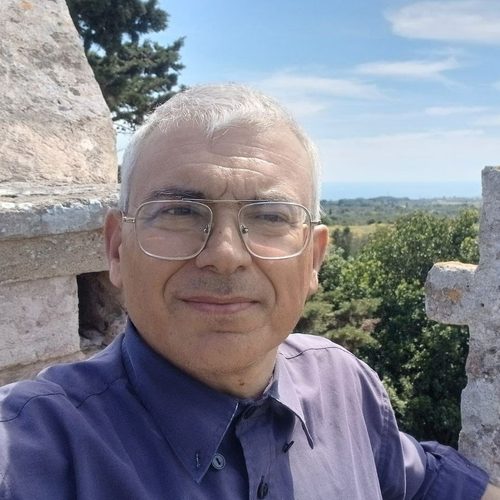
Michele Bonfrate
Scientific Partnerships
Mariangela SammarcoScientific Director, Archaeological Museum of Vereto
Mariangela Sammarco, born in Lecce in 1974, is a landscape archaeologist. She long carried out scientific work at the University of Salento, taking part in topographic survey and archaeological excavation projects in Lazio and Apulia. She is the author of several scientific publications and currently serves as scientific director of the MAV – Archaeological Museum of Vereto (Patù).
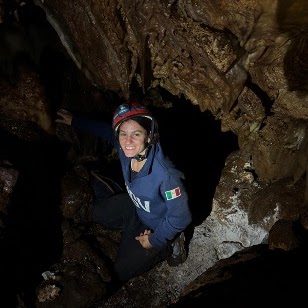
Anita Di Chiara
Anita Di Chiara is a researcher at INGV in the "Palaeomagnetism" functional unit. She obtained her PhD at the University of Bologna and built a solid international career working at the Scripps Institution of Oceanography (USA), Lancaster University and Plymouth University (UK), and the University of São Paulo (Brazil). Specialising in palaeomagnetism, she has taken part in major international ocean expeditions, such as IODP Expedition 395 in the North Atlantic. Her main research fields are palaeomagnetism applied to volcanology and archaeology, and magnetostratigraphy applied to both oceanic and continental sedimentary successions as a dating tool and for the analysis of past climate change. She works as an evaluator for the European Commission and is actively involved in the equality, diversity and inclusion (EDI) committees of the European Geosciences Union (EGU).
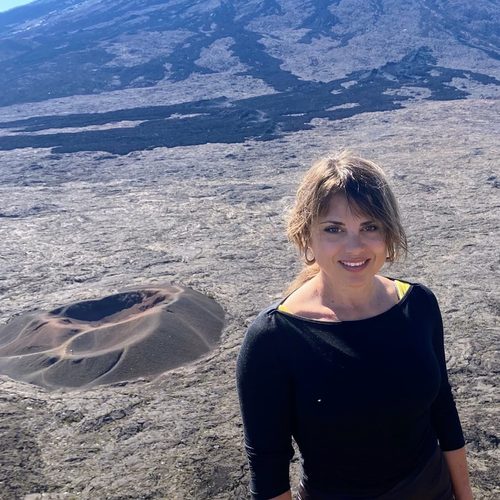
Marta Pischiutta
Marta Pischiutta is a senior technologist at the National Institute of Geophysics and Volcanology (INGV) in the "Exploration Geophysics, Environment and Territory" functional unit. She obtained her PhD in geophysics at the University of Bologna and works across disciplines, with a scientific profile that integrates geophysics, geology and seismology. Her research focuses on the study of unconventional site amplification effects in fault zones and on topography, together with geophysical prospection for geological reconstruction and exploration at different scales of investigation, field studies, and the development and application of numerical models for simulating seismic site response and defining ground-shaking scenarios.
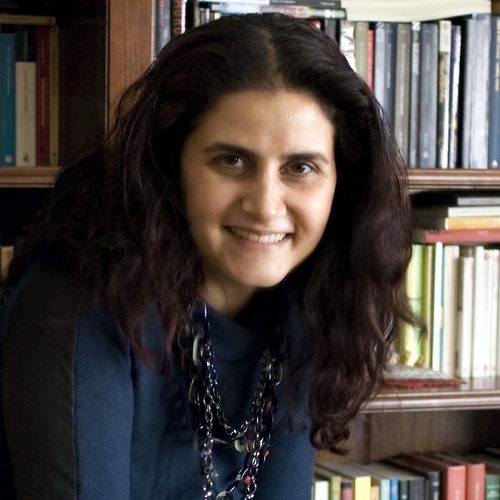
Patrizia Macrì
Patrizia Macrì is a senior researcher at INGV, where she heads the "Palaeomagnetism" functional unit.
Her main research fields are: palaeomagnetism applied to the definition of geodynamic and structural models; magnetostratigraphy applied to sedimentary successions, both in the polar regions (Arctic and Antarctic) and in the Mediterranean, as a dating tool and for the analysis of past climate change; and environmental magnetism applied to the analysis of fine particulate matter (so-called PM10), as a tool for monitoring air pollution and protecting cultural heritage. Responsible for several funded research projects, she has also been involved for years in science communication and in educational and museum programmes.
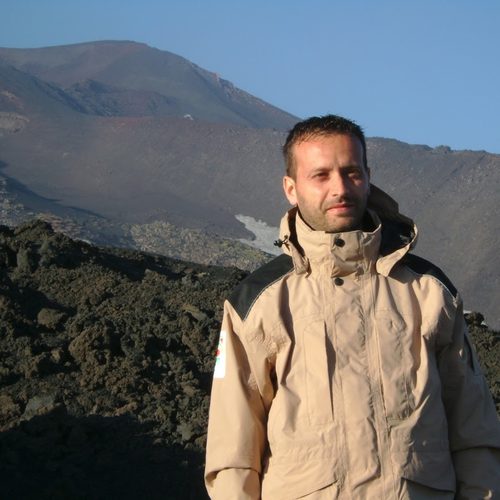
Valerio Materni
Valerio Materni graduated in Physics in 2006 at Roma Tre University with a thesis entitled "Development of criteria for discriminating between earthquakes and underground nuclear explosions using seismological methods".
In 2005 he began working at the National Institute of Geophysics and Volcanology (INGV). He obtained his PhD in 2009 at Roma Tre University with a thesis entitled "Discrimination between natural seismic events and underground nuclear explosions". Since 2018 he has worked within the 24/7 seismic monitoring service run by INGV for the Civil Protection Department (DPC). He is currently a permanent technologist at INGV.
His main research interests include geophysical investigations applied to the study and enhancement of archaeological areas, with particular attention to the integrated use of ground-penetrating radar and of geoelectrical and electromagnetic methods for identifying and characterising buried structures. He also works on 2D and 3D electrical resistivity tomography, capacitive resistivity tomography, FDEM electromagnetic surveys, and the geophysical characterisation and monitoring of sites affected by or at risk of sinkholes, landslides and other hazards. His activities also include the development of new technologies to support the protection of infrastructure, the monitoring of urban areas and environmental protection.
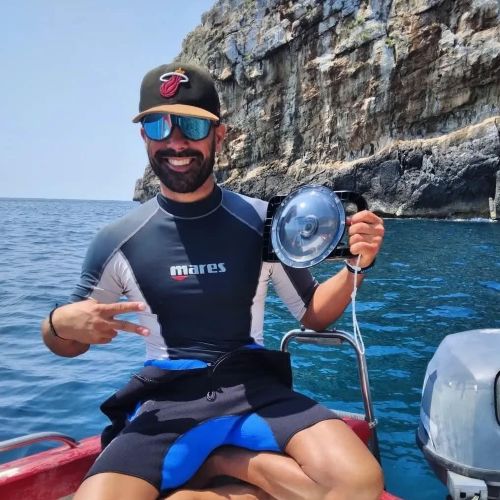
Angelo Cossa
An underwater archaeologist, in 2010 he specialised in Classical Archaeology at the ‘Dino Adamesteanu’ Postgraduate School of the University of Salento. He is the author of numerous academic articles on underwater archaeology and naval iconography.
He works as an underwater archaeologist with the Department of Cultural Heritage at the University of Salento. He has carried out research and underwater excavations at various coastal sites in southern Apulia (Egnazia, S. Sabina, Torre Guaceto, Brindisi, S. Cataldo, Roca Vecchia, Otranto, Porto Badisco, Gallipoli, Leuca, Porto Cesareo, Porto Selvaggio, Ugento). As a diving guide, he collaborates with heritage protection bodies on preventive underwater archaeological activities. He is the author of the Geographic Information System relating to the Underwater Archaeological Map of southern Puglia.
Communication Team
Zetacode
Zetacode is a creative and strategic studio that helps businesses, local enterprises, family firms and organisations to shape their identity, communicate their value more effectively and build concrete paths for growth.
Thanks to a network of partner companies and specialist professionals, Zetacode can bring together skills in branding, digitalisation, emotional marketing and strategic consultancy for SMEs.
The studio works on the company's vision, positioning, brand perception and the tools needed to turn a business into a clearer, more recognisable and more competitive project.
Zetacode supports entrepreneurs and companies in defining their corporate identity and in creating company profiles, communication campaigns, social media content, sales materials and development strategies.
The goal is to help every organisation stop communicating in a fragmented way and start building a coherent, authoritative image capable of generating trust.
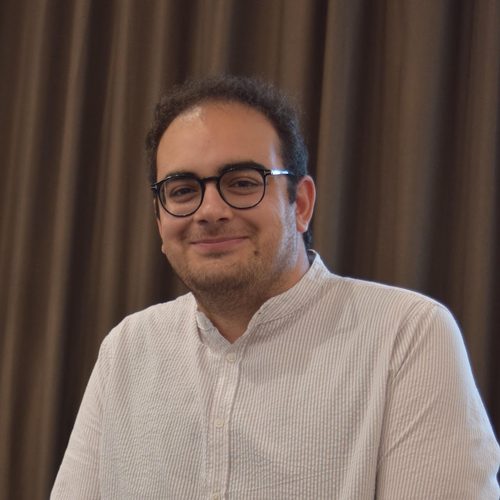
Benito Luigi Nuzzo
Benito Luigi Nuzzo is a professional with a passion for technology and for his home territory, with a solid background in Digital Humanities, obtained with honours at the University of Salento, and previously in Cultural Heritage. His experience focuses on developing innovative solutions for the enjoyment of cultural heritage through XR (Extended Reality) technologies. He worked with the AVR Lab, the augmented and virtual reality laboratory of the University of Salento, as a research fellow, specialising in the development of XR applications and content. He also worked at ISPC-CNR in Rome, again as a research fellow, contributing to the UX redesign of a tourism application. He has skills in 3D modelling, XR application development and Google tools, and has taught courses at higher technical institutes (ITS) and upper secondary schools on 3D modelling and XR application development.
Today, as a freelance professional, he firmly believes in the potential of XR technologies to enhance cultural heritage and make it accessible, creating new ways of interacting with it.
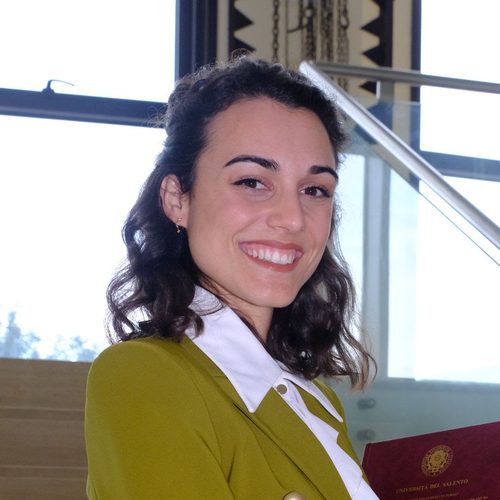
Sofia Chiarello
Sofia Chiarello is a digital humanist with a solid academic background and a specialisation in the application of Extended Reality (XR) technologies to cultural heritage. She graduated with honours in Cultural Heritage and in Euromachs – European Heritage, Digital Media and the Information Society at the University of Salento, and over the years has built cross-cutting experience combining research, design and digital communication.
She has worked with the AVR Lab of the Department of Innovation Engineering of the University of Salento on numerous national and international projects, developing virtual and augmented reality applications for museums, archaeological sites and theatre performances. She is co-author of scientific publications in international journals and conferences on XR technologies applied to cultural heritage.
She currently works as a freelance professional in the digital culture sector, dealing with 3D modelling, the production of interactive multimedia content and XR training for teachers and students. Alongside her professional practice she is constantly committed to enhancing local cultural heritage through innovative digital tools.
Student Team
whole campaign
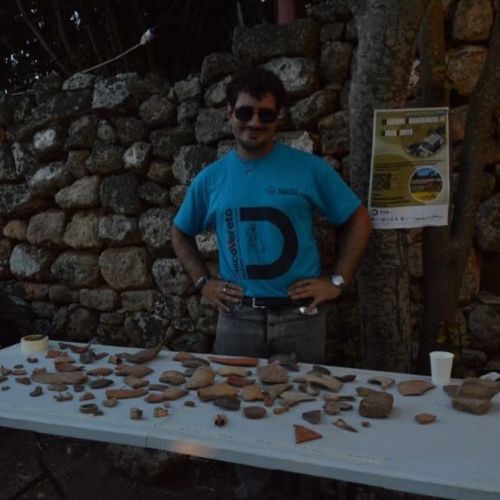
Flavio Ventre
Flavio Ventre is a master's student in Etruscology and Italic Archaeology, with a thesis project focused on the material culture of Vereto. His research interests concern the productions of the peoples of pre-Roman Italy, over a time span from the Bronze Age to full Romanisation, with particular attention to the Hellenistic period.
He has had the opportunity to take part in several archaeological excavations at sites such as Cupra Marittima, Cumae, Carthage, Pompeii, Posillipo and others. He is currently also in charge of the finds store of the archaeological mission.
Gennaro Iuliano
Gennaro Iuliano is a master's student in Etruscology and Italic Archaeology at the University of Naples "L'Orientale". His thesis focuses on the Campanian cemetery of Madonna delle Grazie at Stabiae, reconstructing the excavation data and analysing the material culture and funerary ritual. He has taken part in several archaeological excavations, including Pompeii, Cumae, Posillipo and Caivano, and in other training activities in the discipline.
In this archaeological mission he serves as deputy supervisor of the excavation activities.
Diego Mignone
Diego Mignone is a master's student in Archaeology at the University of Naples L'Orientale, with a thesis project on the contacts between Sardinia and the middle-lower Tyrrhenian area between the 9th and 7th century BC.
Excavation campaigns: Cumae, Capo Colonna, Crotone, Posillipo.
Emanuele Pone
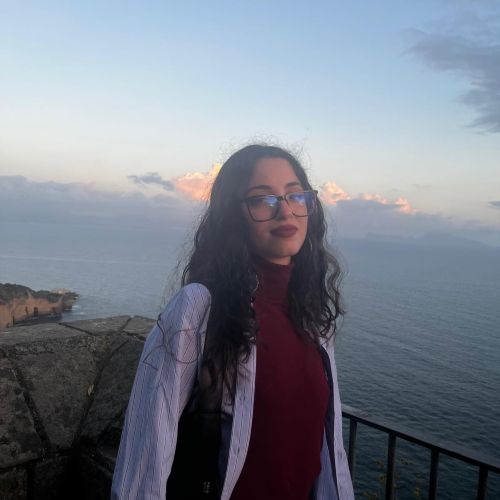
Zelinda Cozzolino
Zelinda Cozzolino holds a bachelor’s degree in Archaeology from the University of Naples ‘L’Orientale’. Her research interests focus on early Christianity in the context of the ancient Mediterranean. Her dissertation centres on the architectural and pictorial analysis of the baptistery of Santa Maria Maggiore in Nocera Superiore, including a study of contemporary sacred architecture.
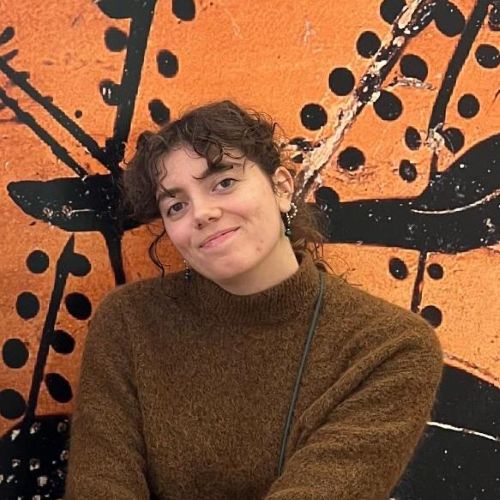
Elena Pimpinella
Elena Pimpinella is a Master’s student in Archaeology at the University of Naples “L’Orientale”. She graduated from the University of Florence with a thesis on pottery shared between Greece and Etruria. She has taken part in several archaeological excavations, including those at Gonfienti, Cuma and Metaponto, and has participated in other workshop-based training activities related to the discipline.
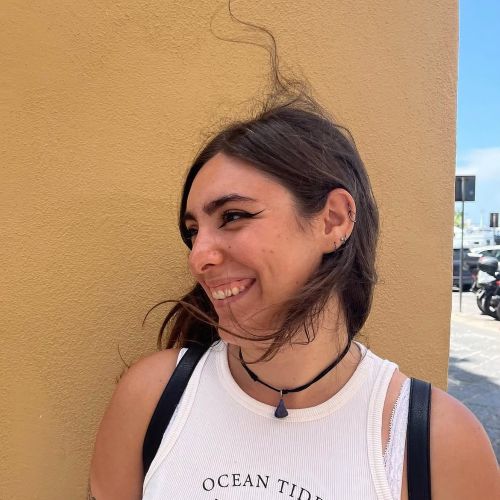
Andrea Sophie Spalice
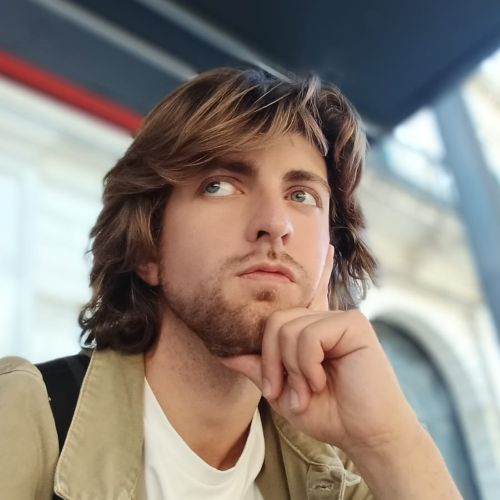
Gabriel Del Giudice
Gabriel Del Giudice holds a bachelor’s degree in Greek archaeology and is currently completing a master’s degree in Physical Anthropology at the Università degli Studi di Napoli ‘L’Orientale’.
He has taken part in both Discovereto excavation campaigns and has also excavated at Cuma, Pompeii and the imperial villa at Pausylipon, as well as participating in numerous excavation campaigns at Cupra Marittima.
He is fascinated by all aspects of archaeology, particularly bones, but is especially happy when he doesn’t have to deal with the study of material culture or stockroom duties.
Student Team
in rotation
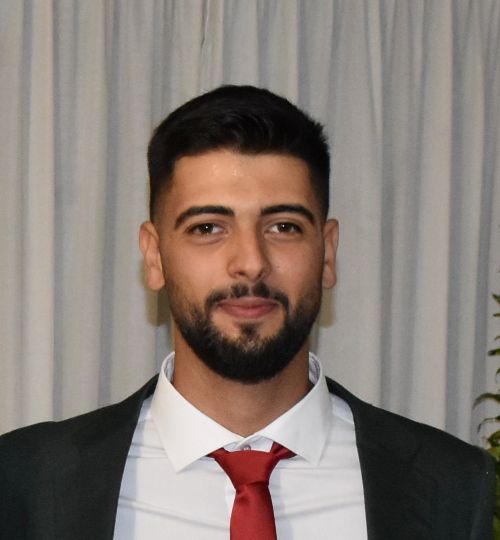
Fortunato Cardamone
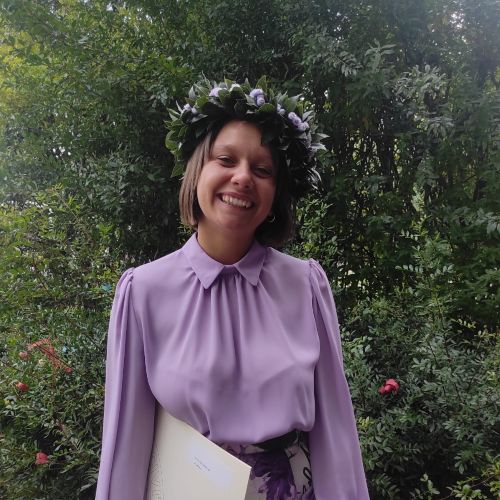
Maria Lisa Settembre
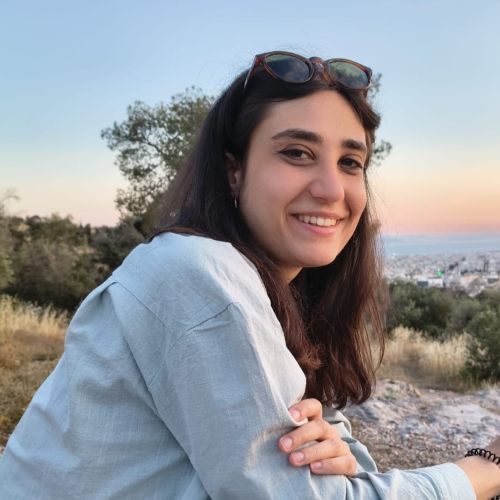
Marzia Riccio
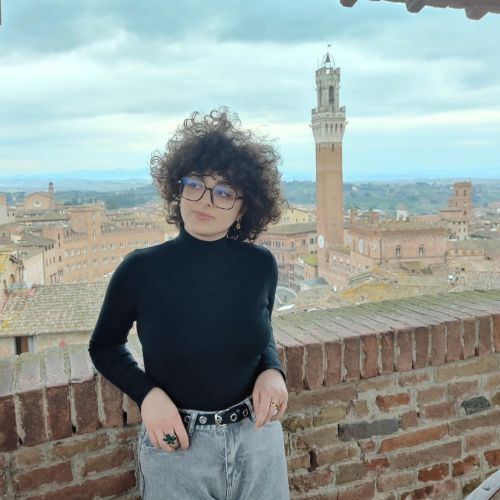
Maria Pia Iannucci
Laura Sironi
Francesca Siniscalchi Bernabò
Sofia Marra
Valeria Donati
Doriana Agrosì
Eleonora Laggetta
Lilla Granata
Vittorio Velardi
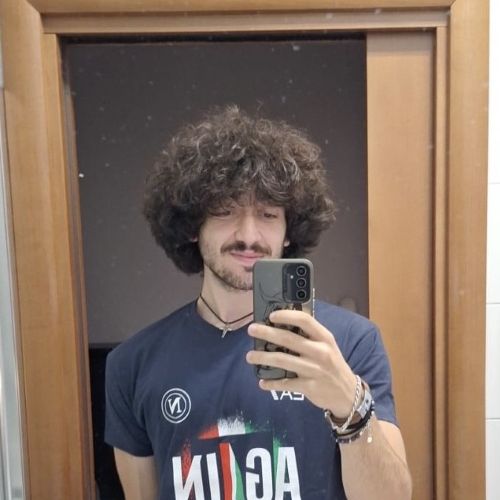
Carmine Giannotta
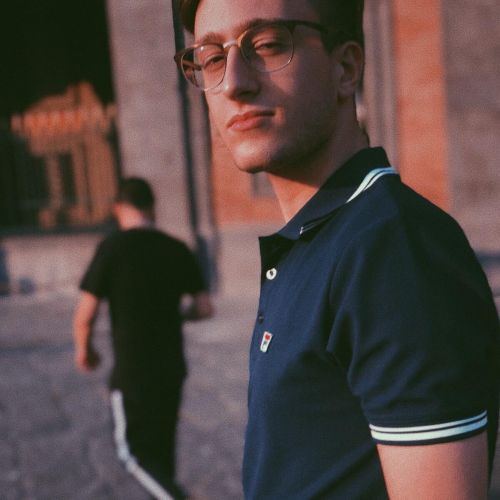
Daniele Serio
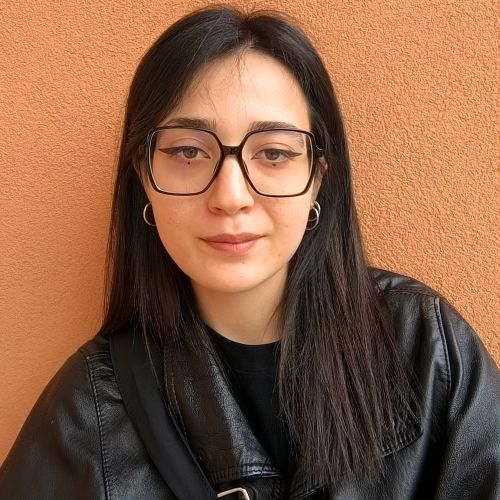
Anna Pia Rossomando
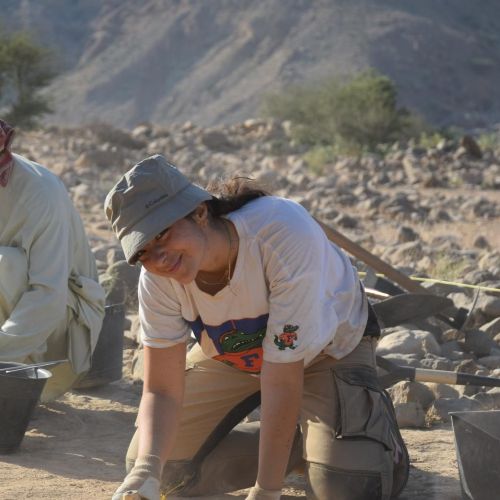
Carlotta Russo

Chiara Maggio
Luigi Pisarra
The excavation involves undergraduate and master's students in Archaeology from the University of Naples L'Orientale, from the inter-university Specialisation School in Archaeology Orientale-Salerno (Or.Sa.) and from other universities.